
By designing products and services to be inclusive, they become more accessible to a wider audience or to specific groups of people who find them difficult to use. Designers can thus make a significant contribution to a more inclusive society. In the past, research into inclusive design has mainly focused on understanding the needs of end-users, but recently the emphasis has shifted to what this demands of designers. They encounter various barriers throughout the entire process, from defining the brief to design and implementation. They therefore wanted to strengthen their capacity for inclusive design by making available knowledge, skills, attitudes, design principles, tools, guidelines and examples ‘actionable’ in their design practice.
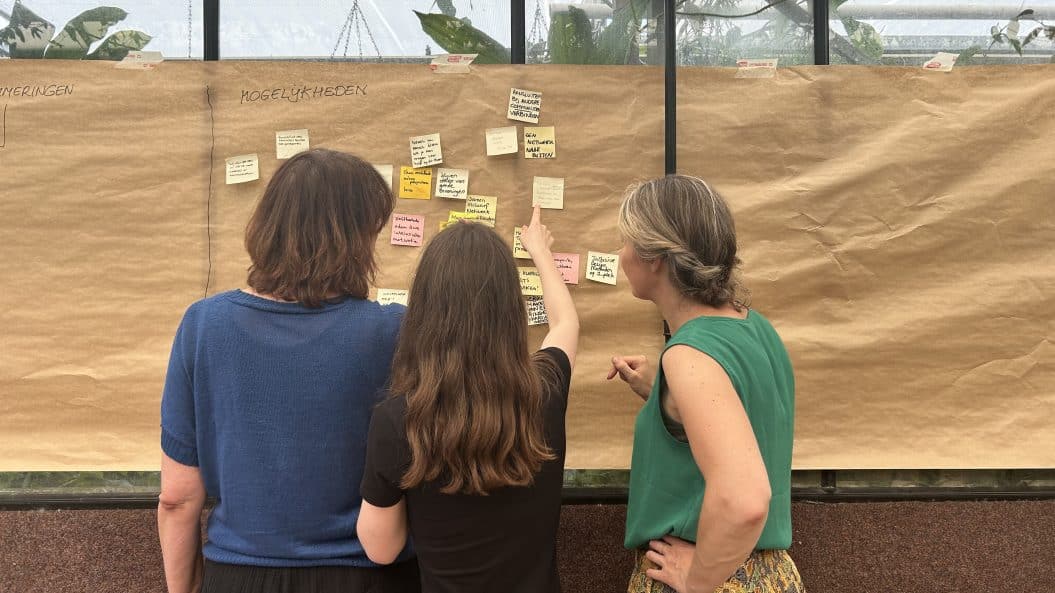
Design courses also wanted to teach this skill to their students. In the Active Inclusive Design (AID) project, nine SME design agencies with a wealth of diverse experience in inclusive design joined forces with researchers, lecturers and experts by experience in a learning community to seek answers to the question: how can the ability of (future) designers to practise inclusive design be strengthened in their professional practice? Answers to this question were found through action research, in which actions were carried out by action teams within their own design and educational practice. The actions focused on strengthening an inclusive attitude, applying existing tools, guidelines and case studies, fostering maturity in inclusive design among clients, and providing education on inclusive design. During the learning community meetings, participants reflected on the processes generated by the actions and their outcomes, and have been connecting with existing networks since the project’s completion.
The results of AID, in the form of tools, methodologies, guides and blueprints, have been made available to the design and education sectors via a website, presentations and specialist publications. A planned academic publication will further contribute to the development of theory on the capacity for inclusive design.