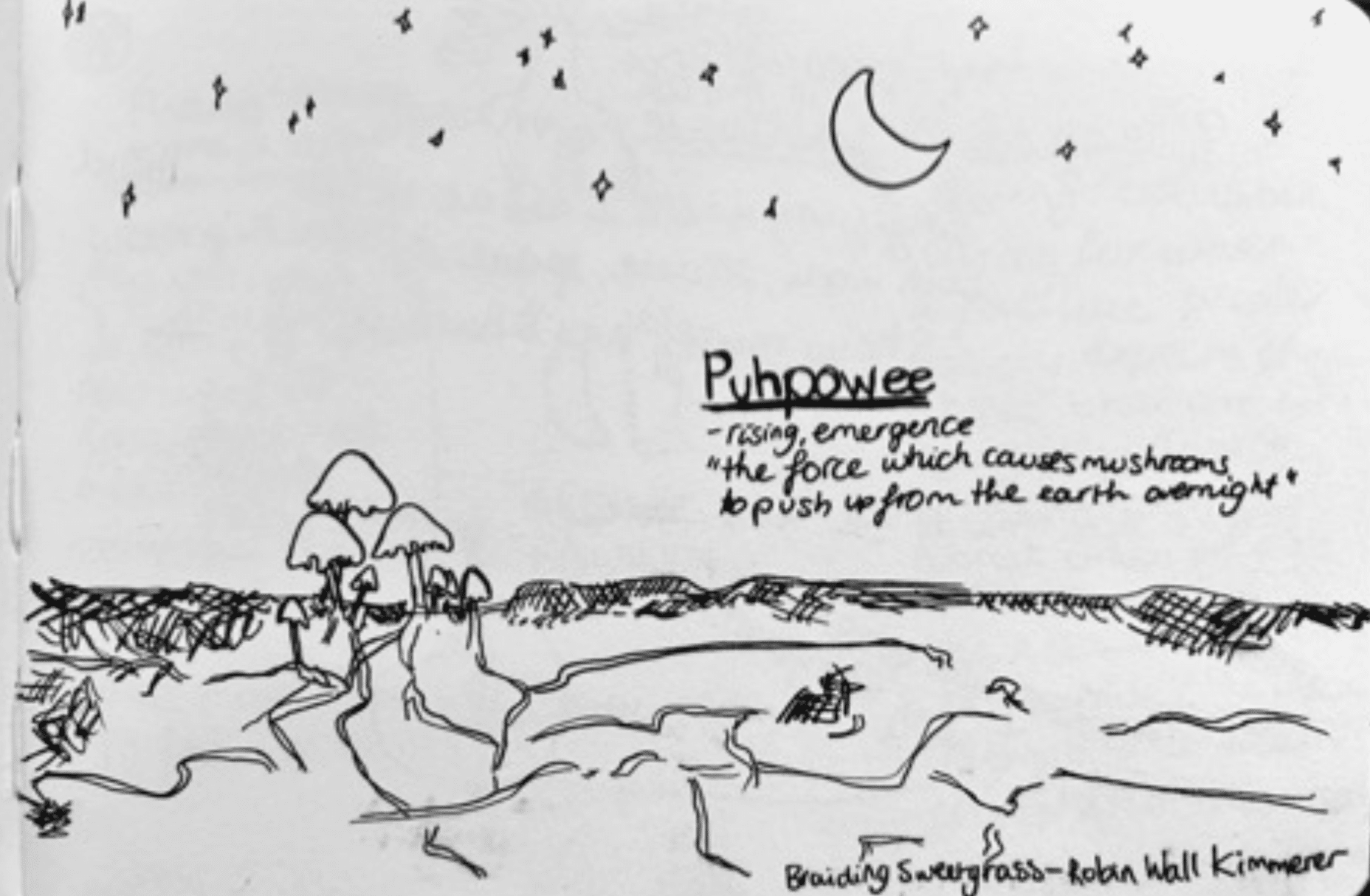
“Puhpowee, she explained, translates as “the force which causes mushrooms to push up from the earth overnight.” As a biologist, I was stunned that such a word existed. In all its technical vocabulary, Western science has no such term, no words to hold this mystery. […] In the three syllables of this new word I could see an entire process of close observation in the damp morning woods, the formulation of a theory for which English has no equivalent. The makers of this word understood a world of being, full of unseen energies that animate everything.”
— Robin Wall Kimmerer, Braiding Sweetgrass
Intention and Setting the Stage
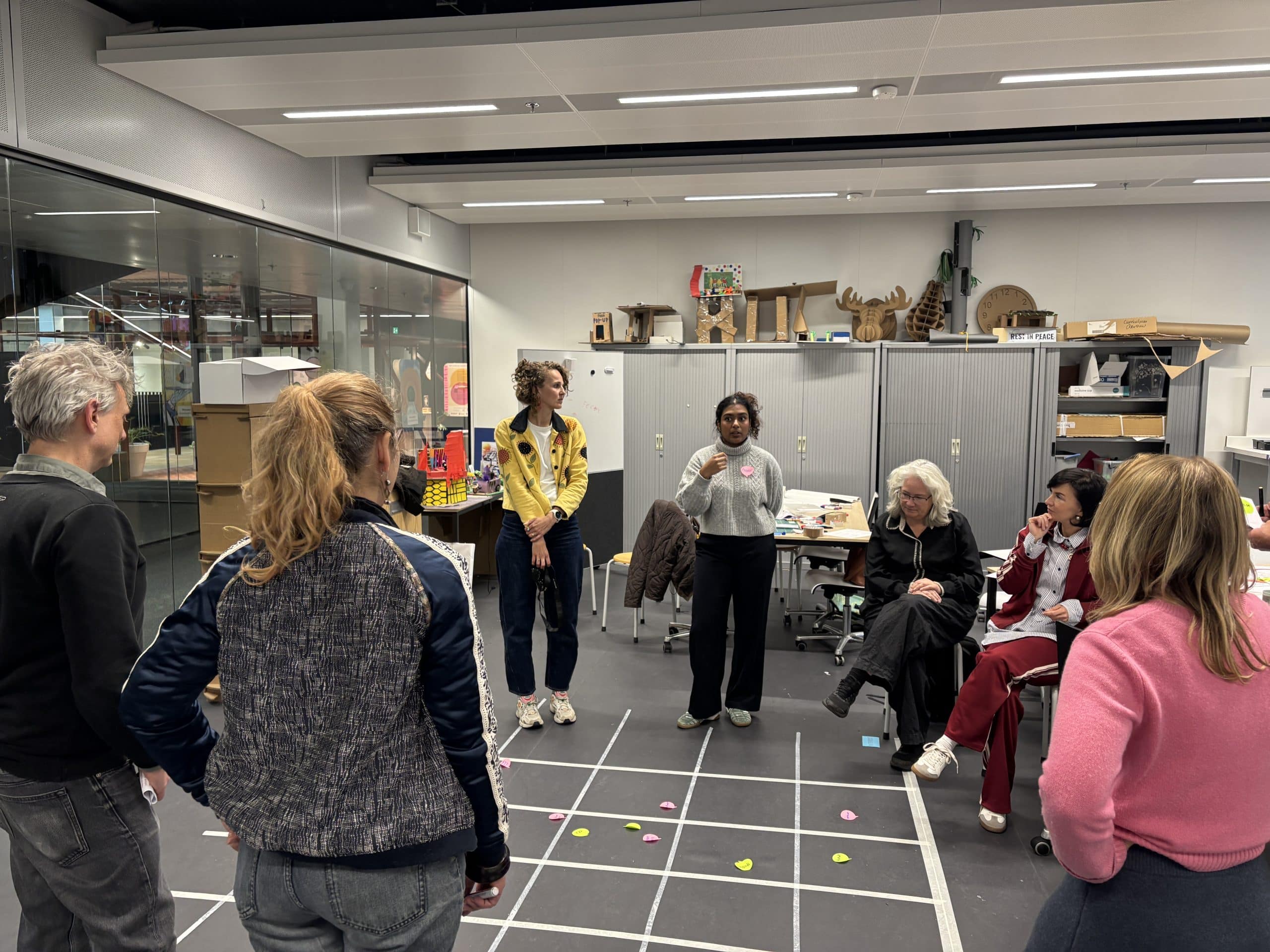
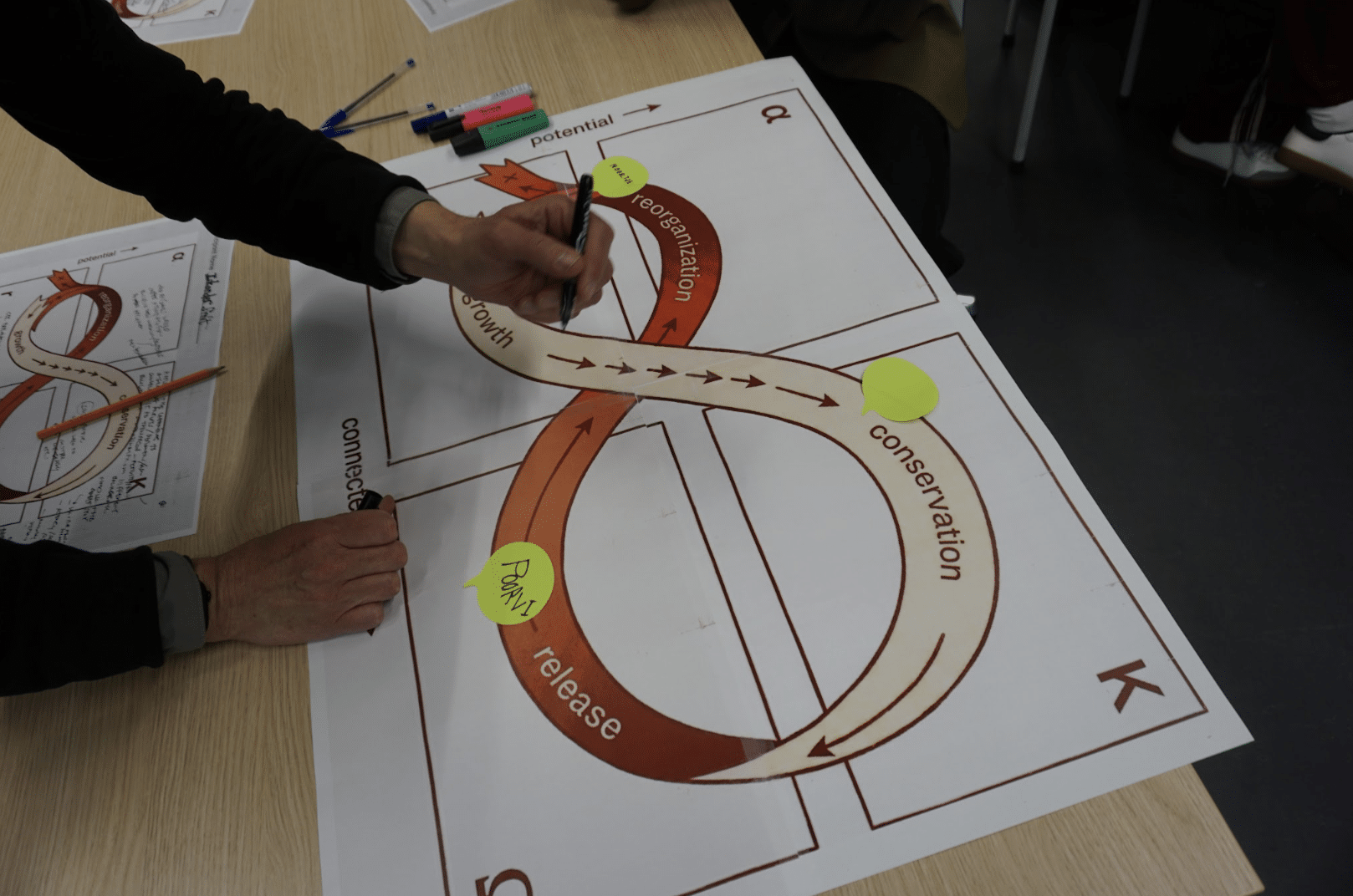
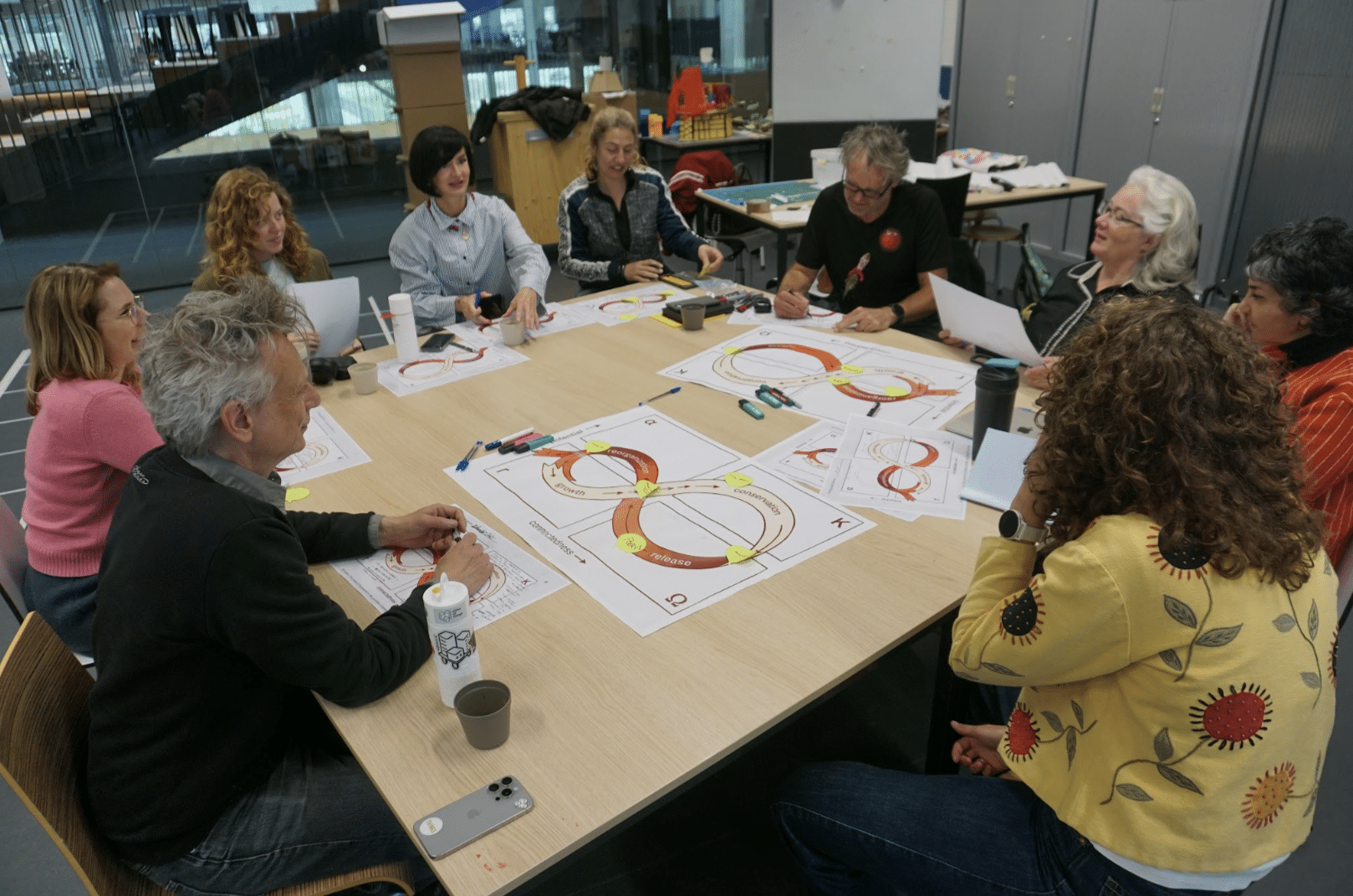
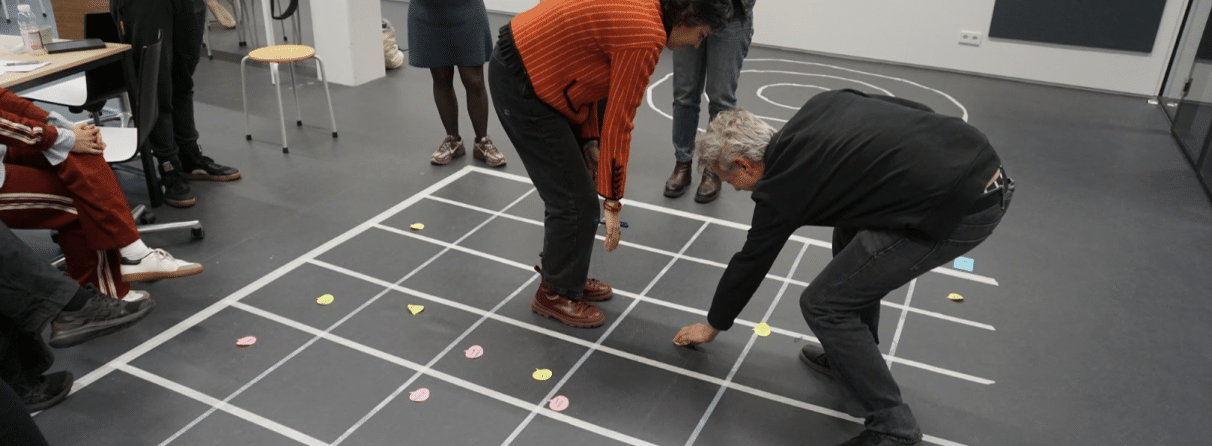
In our recent ESCalator, The Power of the Personal in the Pluralities of Systems, we gathered with the intention to explore how we can create space for systemic views beyond Euro-Western perspectives. The ESCalator, designed and hosted by Poorvi Garag and Lana Klok, invited participants to open up about their perspectives and bring their own personalities and experiences as professionals to the workshop. We used the Adaptive Cycle, Power-Interest Axis and Ripple Effect Mapping as reflective tools to ground our collective work in the tangible reality of our individual projects. Poorvi’s and Lana’s goal was to bridge the gap between frameworks and practice, by better understanding our position and power to drive change within the current paradigms of systemic design.
Pluriversal Views and the Personal Shift
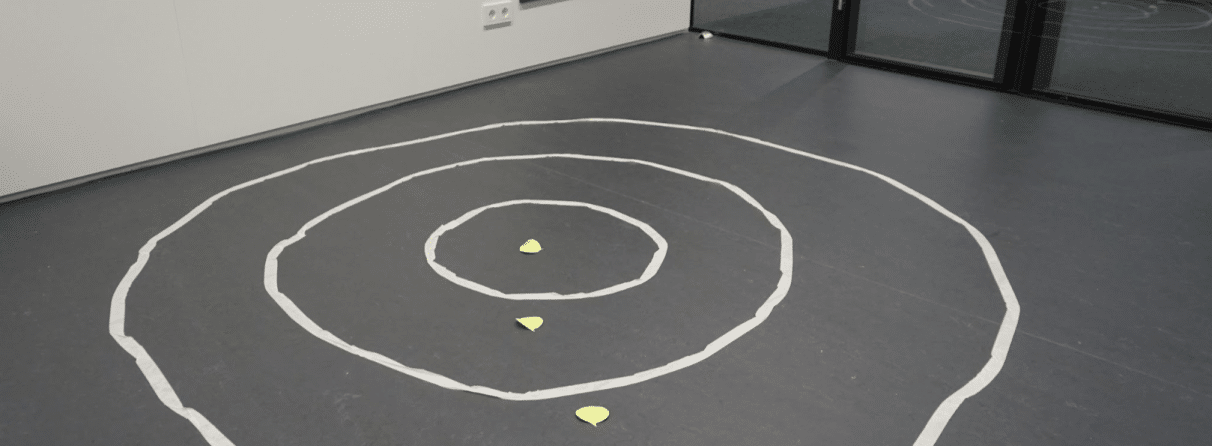
Moving toward pluriversal views requires more than just acknowledging different concepts of the world; it demands that we examine our own positionality as well as privileges within these pluralities. The opening paragraph from Braiding Sweetgrass by Robin Wall Kimmerer introduced indigenous views, and the powerful forces of nature, sensitizing participants. After this we explored the Adaptive Cycle by Holling and Gunderson (1986; 2001) and its four modes of change. Originating from an ecological perspective, this framework helps us also to better understand the dynamics and resilience of societal ecosystems. Perhaps how a forest recovers from a fire, isn’t so different from people connecting after a pandemic? By mapping our interests and agency on the Power-Interest Axis, participants were nudged away from viewing the system as an external object, something to be “solved”, and toward seeing it as a reflection of where we stand. This shift is essential: when we recognize our own circles of influence and control within the system we better understand how to move, act, and create ripples.
Decolonial Futures
Designed for all systemic design practitioners or people whose work touches upon systemic thinking, the workshop challenges participants by positioning the personal as a legitimate and necessary lens for systemic inquiry and change. With the key learning question of how we can lean into our identities in order to understand our power and influence on systemic design. By doing so we open up space for systemic views beyond Euro-Western models and worldviews that have historically been marginalized.
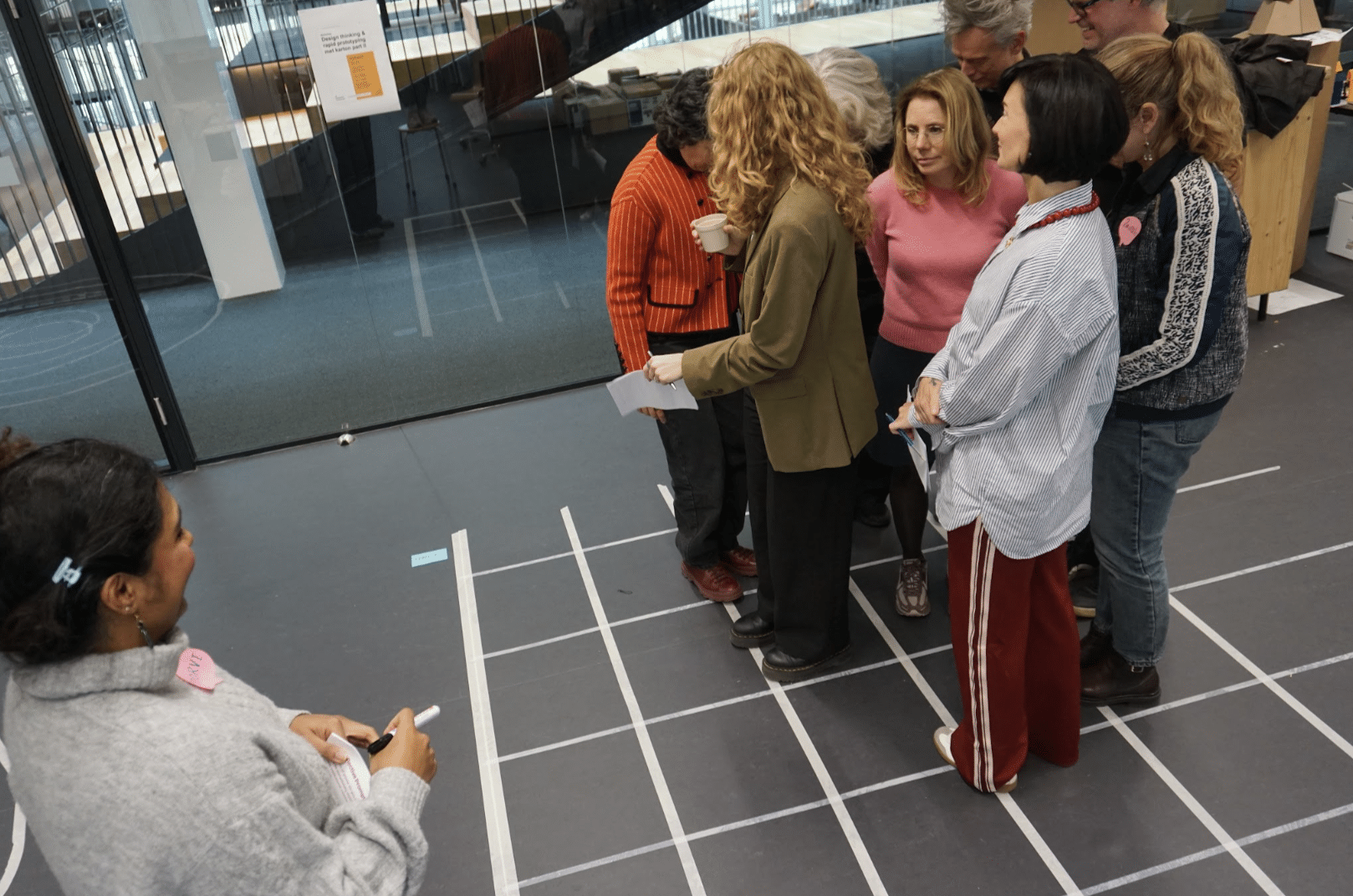
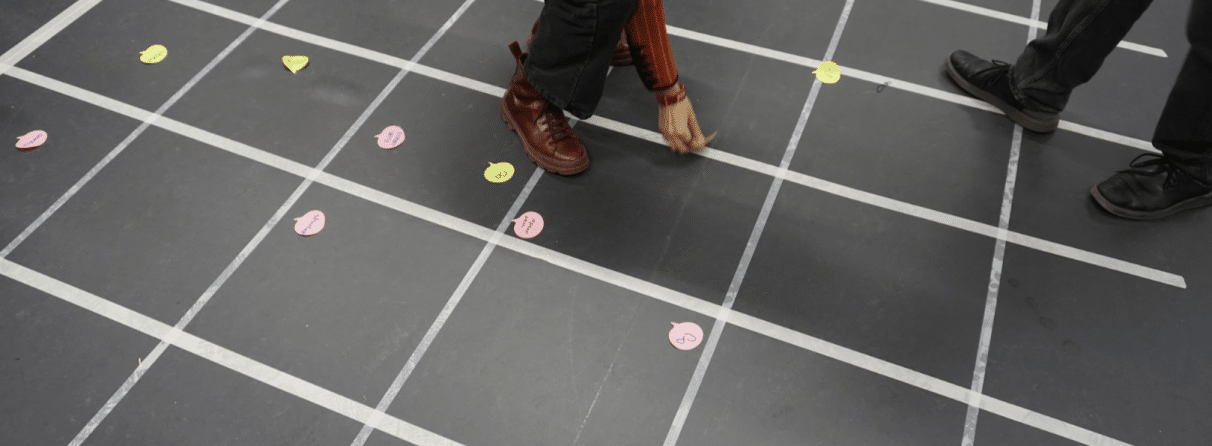
The Power – Interest Axis, originally a strategic management tool, was adapted by Poorvi to be used in this workshop to understand how much power resides in the room and find out which stakeholders are missing. To decolonise systemic design practices, the first step would be to start recognising unequal power distribution and the hegemonic colonial nature of systemic design in personal and reflective ways. Recognising who is in the room when decisions are made, who holds more systemic power compared to others and how the systems that designers are constructing can recreate the same power imbalances that decolonial practice is attempting to disrupt.
A Life-Centred Lens
Lana’s perspective reflects a deep commitment to relationality, shaped significantly by her time in Canada, living close to the wilderness and working within Indigenous contexts. She emphasizes that to explore where we want to go, we must first understand our current positionality, recognizing that our individual agency only exists in relation to the people and systems around us. Diving deep into systemic work requires creating safe spaces where we can “make time to relate and dare to be more”, prioritizing time for genuine connection over rigid frameworks and statistical results.
“My experience in the creation of the workshop with Poorvi, as well as spending time with the participants in the ESCalator was marked by both moments of alignment and essential discomfort. This reinforced my hope that by embracing curiosity, openness, and humility, we can connect, even though we might hold various perspectives, and together find opportunities to change systems for good.“
Participant Perspectives
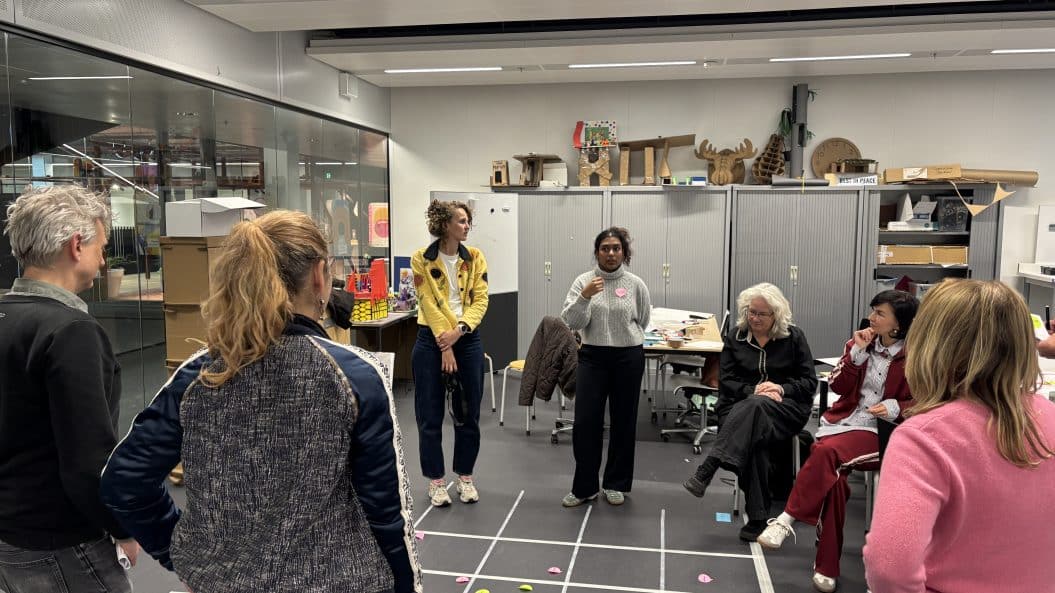
The workshop brought together eight systemic designers, each bringing a unique set of experiences and positioning themselves differently. Participants noted that engaging with these models and mapping their individual cases was particularly valuable, especially when reflecting on the transitions and moments or release, and realizing the “missing people” in the room are often also overlooked within a system. While the fast-paced nature of the session sometimes made it difficult to explore every framework to its fullest potential, the experience left most participants feeling inspired. Many found the focus on project-specific content to be grounded and insightful, helping them translate abstract systemic theory into the concreteness of their own work. As one participant noted, the session served as an effective “taster” for these frameworks, sparking a curiosity to keep investigating how we might build systems better.
A Call to Action
Ultimately, the workshop recognises that systemic design as dominantly taught, practiced and researched has been long shaped by dominant euro-western epistemologies, perpetuating hierarchies and biases that it sometimes seeks to “solve”. The workshop ended with the reflection that expanding the pluralistic possibilities of systemic design requires us to critically reflect on our own influence within systems. As well as connect this to how we – as a collective of ethnically, culturally and geographically diverse practitioners – practice systemic thinking and design.
If we strive to move towards a more connected, just, and sustainable future, continuing to go in a pre-dominantly western worldview, according to Poorvi and Lana is not the way. There is not one sole point of view that will solve the complex challenges we face today. As we move forward, their call to action is to keep investigating where each of us stands and to recognize the power we hold. So we may curate space for different kinds of views. Our individual actions, whether small, relational, or systemic can create ripple effects. Let us carry forward the commitment to not just map the system, but to intentionally change how we show up within it, ensuring that our work remains a space where multiple worlds and multiple truths can coexist.