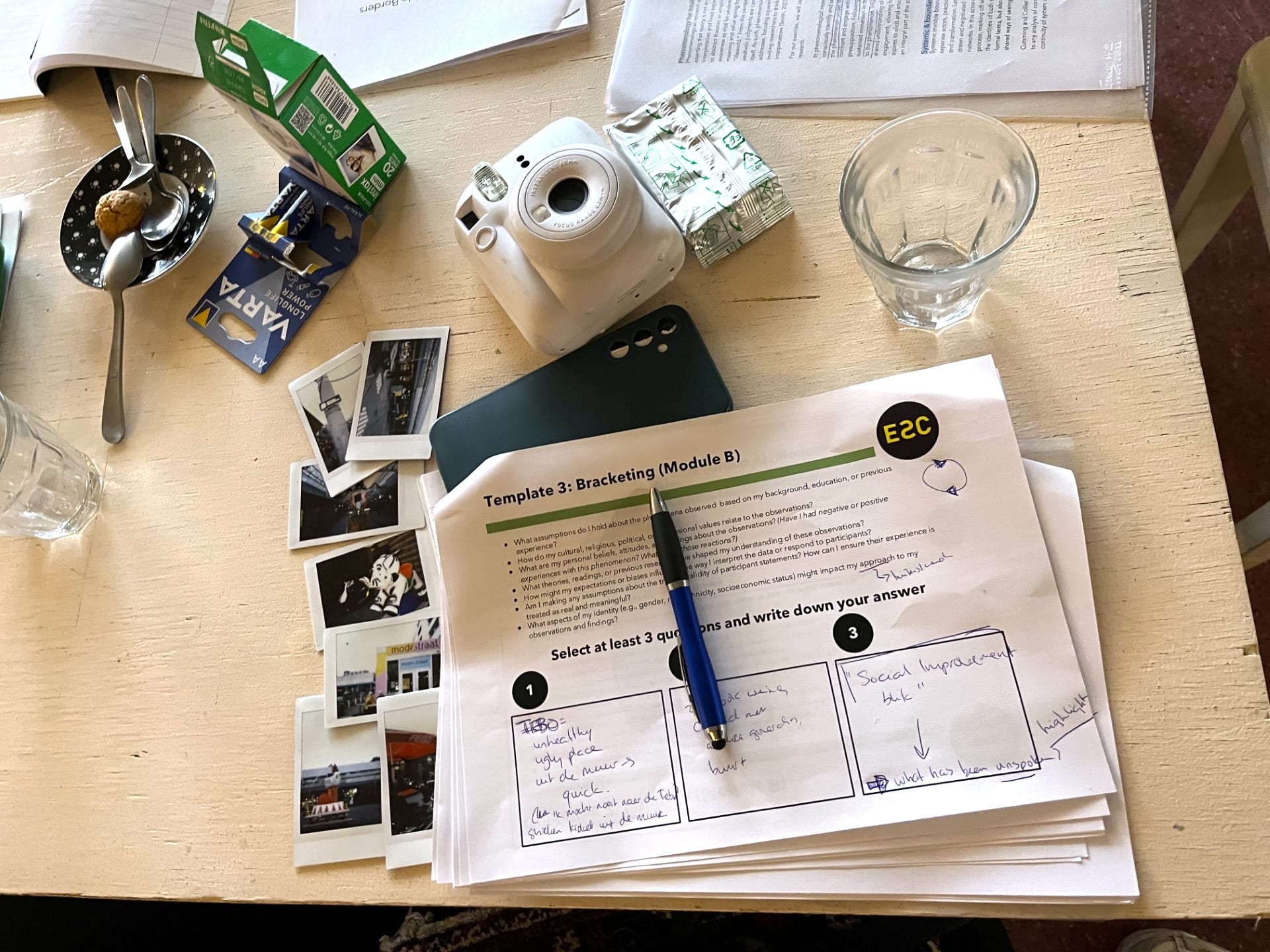
I would like to share my learning from the ESCuela training, based on the insights gathered by the attendees. I am Laura Niño, a senior researcher at Inholland University of Applied Sciences, Societal Impact Design. As a neighbor and frequent user of this shopping center, I was delighted to see how the people who joined our training uncovered so many perspectives, unknown to the municipality, commercial, and real estate companies. As a systemic co-designer, unraveling these perspectives and new relations between people and places is important for societal transformation.
A small team of researchers from Utrecht, Rotterdam, and Inholland Universities of Applied Sciences spent a day at the Boven’t Y shopping centre and Buikslotermeerplein, using observation, conversations, and systemic–phenomenological lenses to understand how this place feels and works. What emerged is a sharp contrast between commercial efficiency and the lived needs of people who want to feel welcome, safe, and connected.
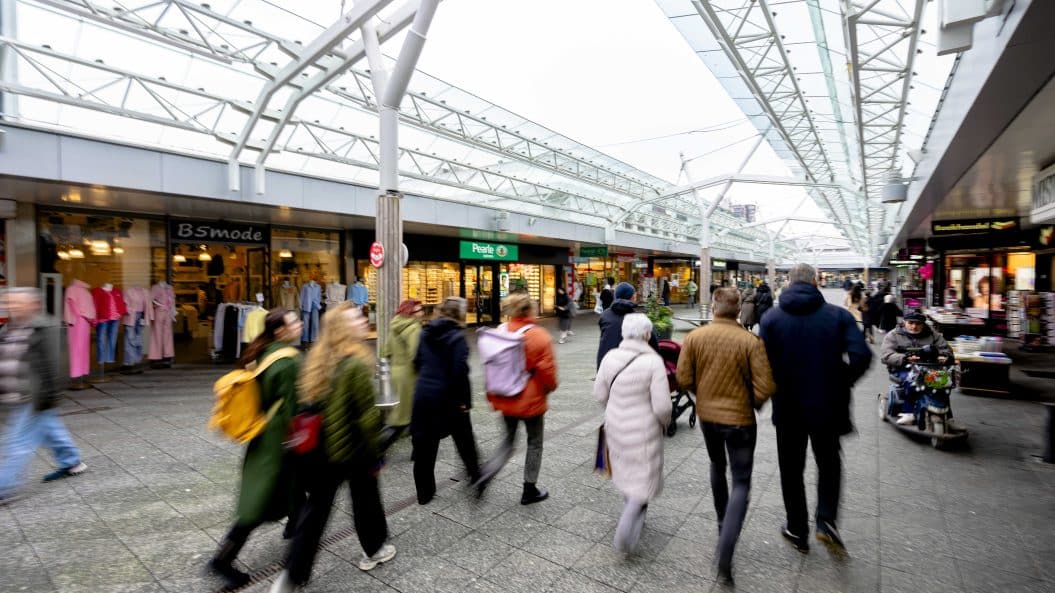
In the morning, the area is mainly occupied by older visitors; around lunchtime, young people rush in to buy food and quickly disappear again. Uncovered passages, exposed market stalls, and grey concrete architecture create an atmosphere many of us described as cold, uninviting, and uncared-for. Tables in the middle offer no shelter, and people who do want to linger cluster under the small roof at Febo, combining affordable coffee with a cigarette and some protection from the weather. For people using rollators or mobility scooters, the layout is inconvenient and sometimes unsafe, with fast scooters and narrow passages competing for space.
Outside, the market feels like a collection of stands in an empty lot rather than a cohesive public place. The wider area lacks a clear identity: on one side, the polished image of Boven ’t Y; on the other, bare concrete, buildings in need of maintenance, and open fields that feel forlorn. Yet the mix of well-known Dutch chains and small, ethnically distinct shops and eateries also gives the area unique potential. Visitors come not only for HEMA and Etos, but also for Syrian sweets, Asian supermarkets and Turkish specialties from places like Cappadocia, often valuing the personal service and sense of recognition these shops offer.
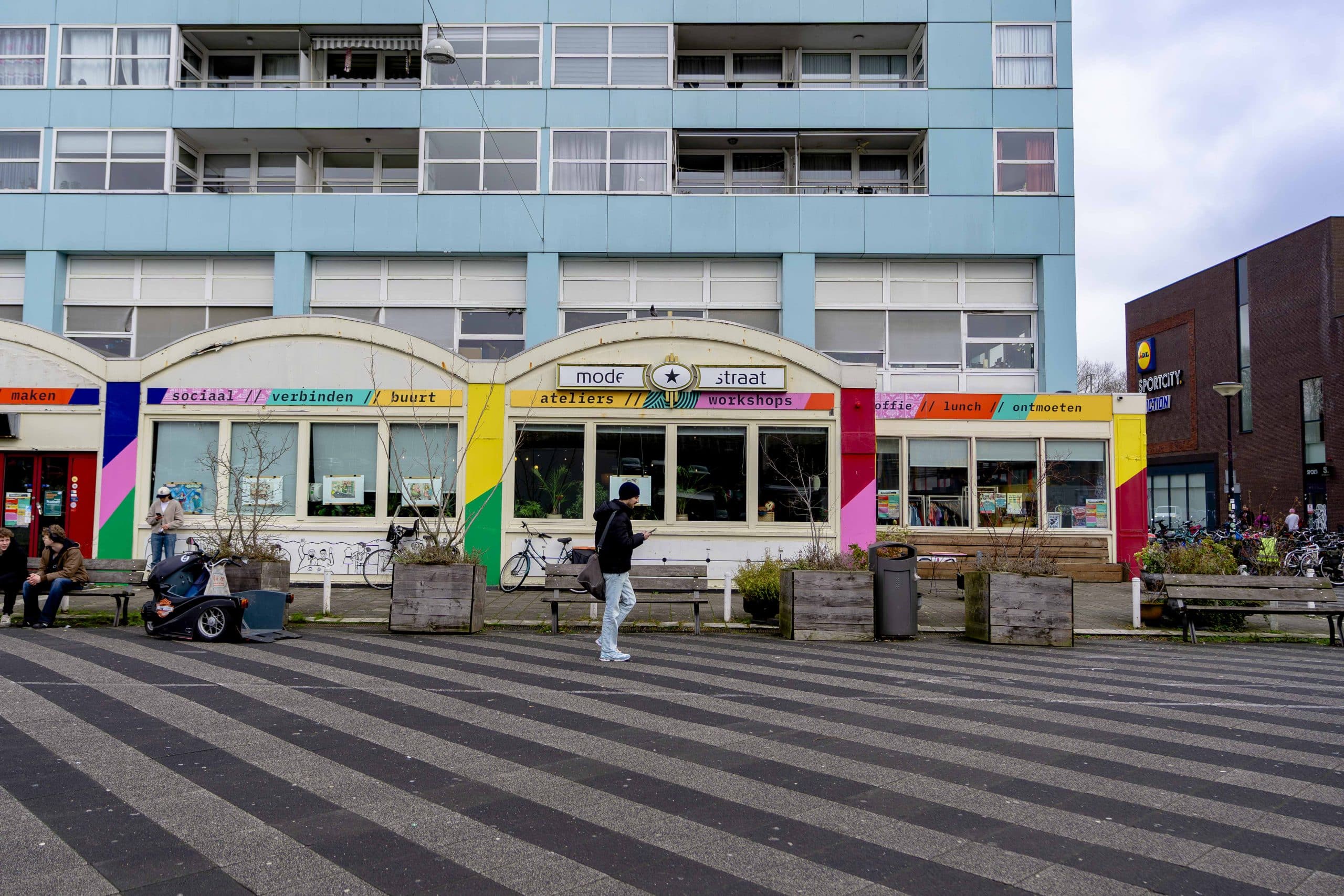
The walls around the centre tell another story: stickers and graffiti call for fairness, resist further gentrification of Noord, and express frustration with dominant neoliberal planning. The overarching narrative the area communicates is stark: you are welcome here to shop, spend money and leave – not to stay, meet, or belong. Social, cultural, and playful activities that do not depend on consumption are largely absent; so are trees, greenery, and spaces that invite people of different ages to sit together, eat together, or play. Modestraat is a striking exception: a warm, multi-ethnic community space where people come and go throughout the day to learn, create, work quietly or simply be together, without the obligation to buy anything.
When we asked what people in and around Buikslotermeerplein seem to want and need, a clear picture emerged: more local activities, more places to socialise without pressure to consume, more nature and creative spaces, and more recognition of local entrepreneurs and artists as shapers of the area’s identity. Ideas like community gardens, greenhouses, playful parks for all ages, better seating near the market, a library, and more cultural programming kept surfacing. Underneath, we heard a strong desire to feel cared for, seen, and valued as neighbours and citizens rather than as consumers with a certain purchasing power.
If you are curious about ESCu(e)la’s ongoing explorations in places like Buikslotermeerplein and how Systemic Co-Design can support more caring, connected neighbourhoods, keep an eye on future ESC updates or get in touch with the team involved in this work.