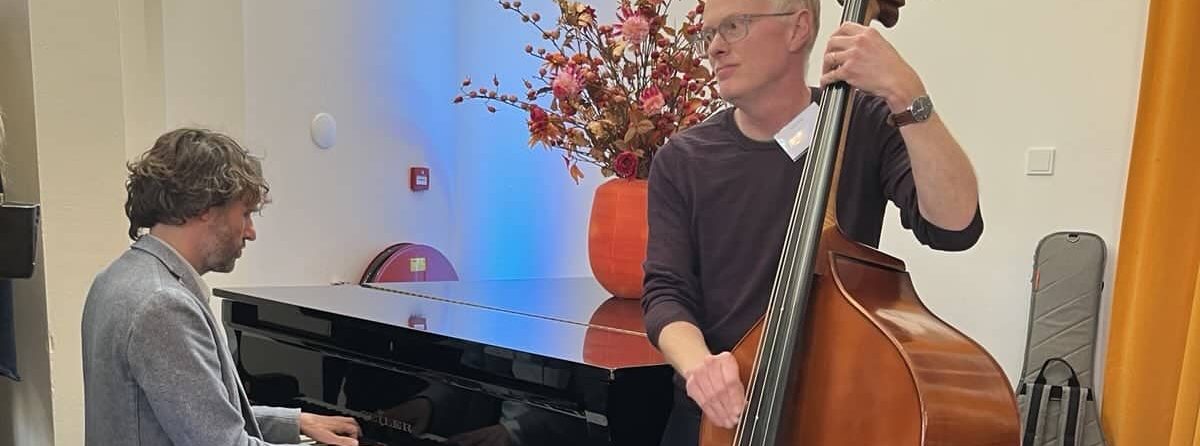
On November 4th, the ESC team had the privilege of participating in the first annual NECTR event—a gathering designed to strengthen the ecosystem of organisations working in systems transformation, transdisciplinarity, and societal transitions. The event brought together a vibrant constellation of agencies and practitioners committed to shifting how we understand, design, and navigate complex challenges. As one of the NECTR consortium partners, ESC was delighted to contribute to this important moment of collective sense-making, learning, and community building.
Throughout the day, NECTR members and invited organisations exchanged perspectives on the evolving landscape of systemic work in the Netherlands. The event offered a rare opportunity for systemic designers, transition specialists, researchers, and practitioners to meet across institutional boundaries and explore shared challenges and aspirations. It also highlighted the growing need for approaches that bridge theory and practice, enabling teams and communities to work relationally with complexity rather than reducing it.
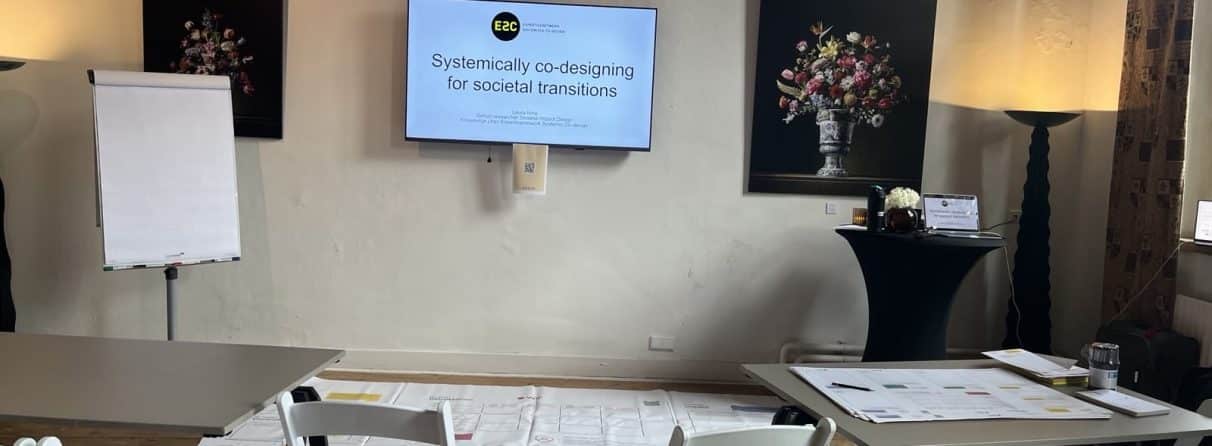
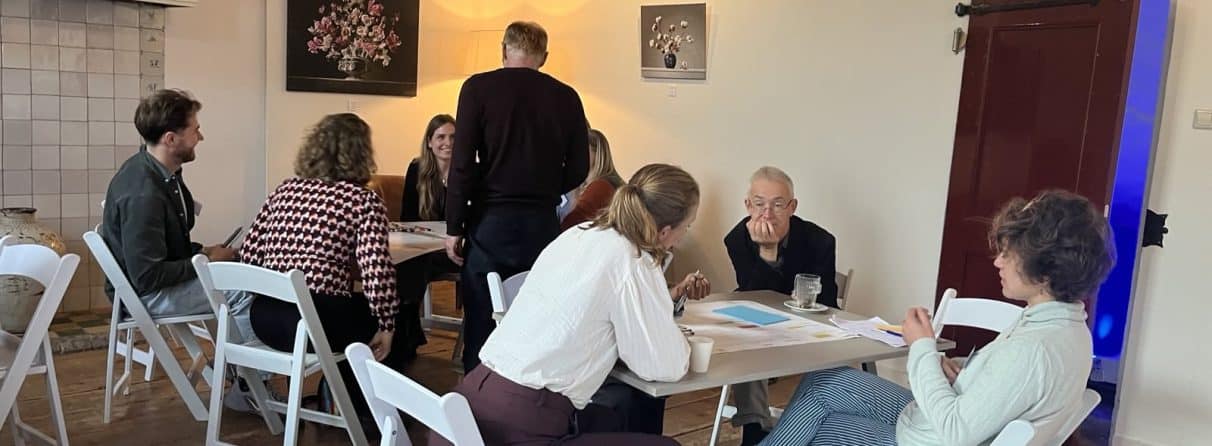
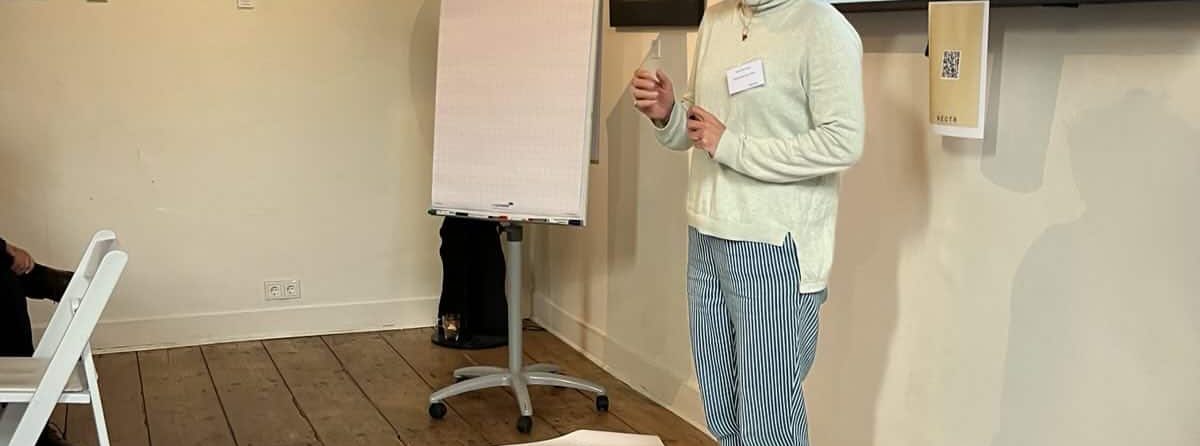
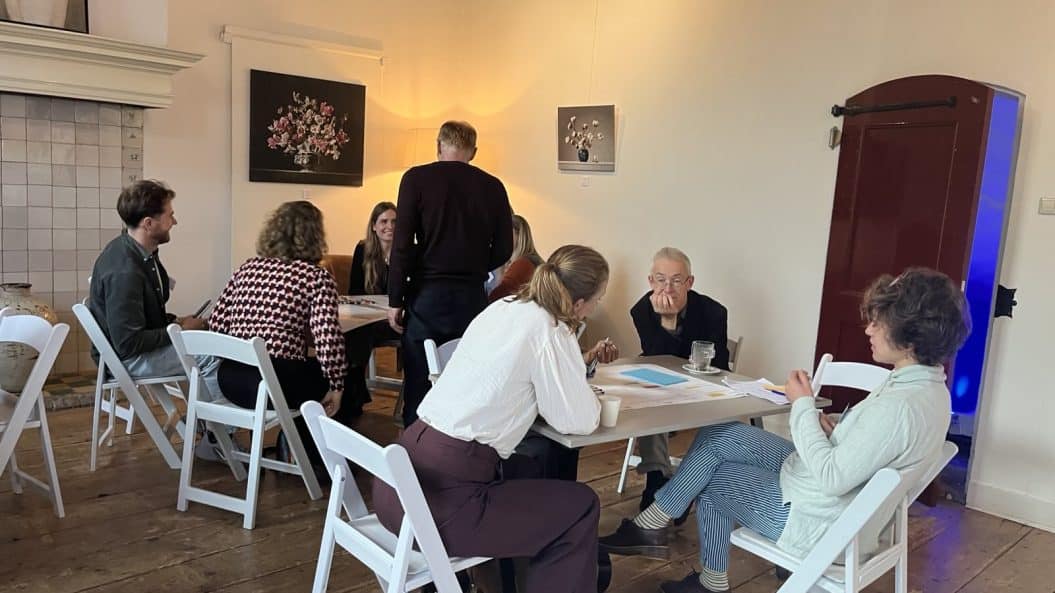
Within this context, ESC facilitated a 90-minute Co-Design Canvas session, offering participants a hands-on experience with one of our key systemic co-design tools. The session introduced the Canvas not only as a methodological scaffold but also as a dialogical instrument—a tool that supports people in engaging meaningfully with complexity, working reflectively, and developing shared understanding across diverse perspectives. Approximately 15 participants joined our workshop, bringing backgrounds ranging from safety and sustainability to public innovation, education, health, and community development. The diversity of the group enriched the process, demonstrating how the Co-Design Canvas adapts fluidly across a wide range of transition contexts.
One of the most appreciated aspects of the session was the embodiment feature of the Canvas. Participants shared that physically stepping over the categories made complexity more manageable, allowing them to gain perspective and relational distance. We worked with two cases: one focused on bridging multiple disciplines—government, citizens, and companies—within the energy transition; the other used a playful role-play around what constitutes a regular hamburger, a vegetarian one, or a meat option. This exercise invited participants to rethink eating as a shared experience in which silos and differences are unpacked and re-understood, rather than each person remaining in their own culinary corner. The activity proved more challenging than expected, revealing how demanding it can be to build new relationality in systemic change.
For ESC, the NECTR event reaffirmed the value of creating spaces where practitioners can explore new knowledge, share their experiences, and collectively develop capabilities for systemic transitions. We are grateful for the warm response to the Co-Design Canvas and energized by the new connections formed throughout the day. We look forward to continued collaboration within NECTR and to supporting the growing community dedicated to shaping more just, resilient, and regenerative systems.